
Independence isn’t about doing everything yourself—it’s about doing what matters most to you, in the way that works best for your body and mind. For older adults and those living with physical limitations, maintaining autonomy at home requires thoughtful adaptations rather than sheer willpower. The difference between struggling through your day and finishing it with energy to spare often comes down to a few strategic changes in how you approach everyday tasks.
This comprehensive resource examines the practical foundations of daily independence: from managing your energy reserves like a precious budget, to selecting the right mobility equipment, adapting your kitchen and bathroom, and building routines that support both physical capability and cognitive health. Each adaptation you make isn’t a concession to age—it’s an investment in staying active, engaged, and in control of your own home environment.
Many people assume independence means powering through fatigue to complete every task. In reality, sustainable independence requires recognizing that energy is a finite resource that must be allocated strategically throughout your day.
Developed to explain life with chronic illness, the Spoon Theory offers a powerful framework for seniors managing limited energy. Imagine starting each day with a set number of spoons—each activity costs spoons, and once they’re gone, they’re gone. Getting dressed might cost two spoons, preparing breakfast another two, and a shower three more. This visual metaphor helps you understand why some days you genuinely must choose between cleaning the floor and cooking dinner. There’s no shame in this choice—it’s physiology, not failure.
Pacing means deliberately alternating activity with rest before you feel exhausted. Rather than cleaning the entire kitchen in one session, you might wash dishes, sit for ten minutes with tea, then put them away. This approach prevents the energy crash that leaves you depleted for the rest of the day. Consider scheduling your weekly shop on a Tuesday if you have family visiting on Saturday—this recovery buffer ensures you can actually enjoy the visit rather than spending it recovering on the sofa.
Hiring a cleaner or accepting assistance with heavy tasks isn’t admitting defeat—it’s a deliberate strategy to preserve your energy for activities that matter most to you. If paying someone to vacuum twice a week means you have the stamina to attend your book club or tend your garden, you’ve made a smart trade. Independence means making informed choices about where to spend your limited resources, including energy.
Strategic modifications to your living space can dramatically reduce physical strain and safety risks without transforming your home into an institutional environment.
The effectiveness of grab bars depends entirely on positioning. In a small bathroom, a horizontal bar positioned 33-36 inches from the floor beside the toilet provides proper leverage for pushing yourself up—a vertical bar in the same location offers virtually no mechanical advantage. Similarly, angled grab bars in the shower should be placed where your hand naturally reaches during the moment of instability, not where they look aesthetically balanced. The choice between smooth chrome and fluted plastic grips matters too: arthritic hands often find textured plastic easier to grasp, especially when wet, despite chrome’s sleeker appearance.
Cool white lighting (5000-6500K) provides better contrast for distinguishing pills by color and reading medication labels compared to warm white (2700-3000K), which can make everything appear yellowish. However, cool white in the evening can disrupt sleep patterns, so consider task lighting at your medication station while keeping ambient lighting warmer and dimmer in living areas.
Creating a safe environment for someone with dementia requires preventing wandering triggers rather than installing obvious locks. Camouflaging exit doors with curtains or painting them the same color as walls reduces fixation, while ensuring the home remains visually open and comfortable. A busy apron hanging on a door handle can occupy hands long enough for the urge to leave to pass, without the psychological distress of visible restraints.
The kitchen often becomes the first battleground where independence is tested. The right tools and techniques can mean the difference between relying on ready meals and enjoying home-cooked food.
For arthritic hands, three tools make the most significant impact:
Batch cooking—preparing four portions and freezing three—is perhaps the ultimate energy-saving strategy. You invest one afternoon of effort but secure three future meals that require only reheating. Similarly, choosing one-pot meals like stews or soups maximizes nutrition and hydration while minimizing washing up. The question isn’t whether you can cook; it’s whether you can cook efficiently enough to sustain the habit long-term.
Maintaining personal hygiene becomes challenging when bathing exhausts you for hours afterward or when lowering yourself onto the toilet risks a fall.
A strip wash at the sink—washing face, underarms, and lower body in sections while seated—maintains hygiene with significantly less energy expenditure than a full shower. This isn’t inferior hygiene; it’s adaptive hygiene that you can sustain daily rather than avoiding because it’s too exhausting. Introducing a raised toilet seat before you actually need one preserves privacy by preventing the undignified struggle to stand that many people experience as they age. The best time to install accessibility features is before an emergency makes them essential.
The choice between sitting and standing for tasks like ironing can save 20% of your daily energy expenditure. Small switches accumulate: if you sit to iron, sit to chop vegetables, and sit to apply makeup, you’ve preserved considerable stamina for activities that require standing or walking.
Losing the ability to drive often feels like losing independence itself, but transport options exist that can restore access to social activities and essential errands.
For mobility scooters, the choice between three-wheel and four-wheel models depends largely on your terrain and storage. Three-wheel scooters offer tighter turning circles for indoor use and small shops, while four-wheel models provide better stability on uneven pavements—particularly relevant in areas with cracked or poorly maintained walkways. Similarly, folding wheelchair frames are lighter and easier for a spouse to lift into a car boot, but rigid frames offer better long-term durability and require less maintenance.
For community transport, Dial-a-Ride services offer door-to-door transport for those unable to use regular buses, though booking ahead is essential for evening events. Community car-share schemes, where neighbors coordinate shopping trips or club attendance, work particularly well in rural areas. The key is identifying the solution before isolation sets in—proactive planning while you still have alternatives yields better outcomes than crisis management.
Blue Badge eligibility isn’t limited to wheelchair users; chronic pain, breathlessness, and inability to walk short distances without severe discomfort all qualify in many jurisdictions. Understanding where you can legally park—yellow lines often permit Blue Badge holders, while private car parks have varying policies—prevents the anxiety of parking rule confusion.
Cooking for one person creates a paradox: recipes serve four, but perishable vegetables spoil before you can use them, pushing many toward ready meals or nutritional compromise.
The solution combines strategic shopping with efficient cooking. Buy perishable vegetables in small quantities from markets where you can select individual items rather than pre-packaged multiples. Keep five tinned staples on hand—chopped tomatoes, chickpeas, sweetcorn, coconut milk, and green beans—which can combine into nutritious meals within ten minutes. A basic vegetable curry using tinned chickpeas and coconut milk requires minimal fresh ingredients and provides two meals when served over rice.
Soups generally provide better hydration than stews due to higher liquid content, while stews offer greater caloric and nutrient density per volume—choose based on your specific nutritional needs and appetite. Both freeze exceptionally well in single portions, creating a personal convenience food library healthier than any shop-bought alternative.
Structured daily routines serve a dual purpose: they reduce the cognitive load of decision-making while providing the mental stimulation that can slow cognitive decline.
For those experiencing early memory loss, visual schedule boards that outline the day’s activities can provide orientation without feeling infantilizing when designed thoughtfully. A kitchen whiteboard listing “Tuesday: Bins out, Shower, Lunch at noon, Gardening, Dinner prep” looks like practical organization, not care-home management. The format matters as much as the content—your tool should feel like something you created to stay organized, not something imposed upon you.
Regular routines—such as chair yoga practiced at the same time each morning—create cognitive anchors that help maintain temporal orientation. The gentle movement addresses morning stiffness while the consistency supports memory function. Activities that combine physical movement, cognitive engagement, and social interaction offer the strongest protective effect against cognitive decline.
Independence in daily life isn’t measured by what you could do in your thirties—it’s measured by what you can sustain comfortably now, with the adaptations and tools that make sense for your current capabilities. Each strategic modification, from how you schedule your energy to which kitchen tools you use, builds a foundation for autonomy that adapts as your needs change. The goal isn’t to maintain yesterday’s routines unchanged; it’s to preserve tomorrow’s choices through thoughtful adaptation today.

Securing a Blue Badge for a hidden disability is less about your condition and more about mastering the evidence the system requires. Official letters (PIP/DLA) are your most powerful tool to bypass subjective assessments and prove eligibility automatically. Parking rights…
Read more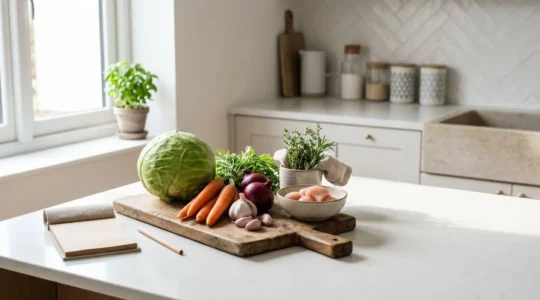
In summary: Cooking for one doesn’t mean more waste; it means smarter resource management. Batch cooking saves significant energy and time, forming the foundation of a thrifty kitchen. Varying your diet with simple, nutrient-dense foods is crucial to avoid deficiencies…
Read more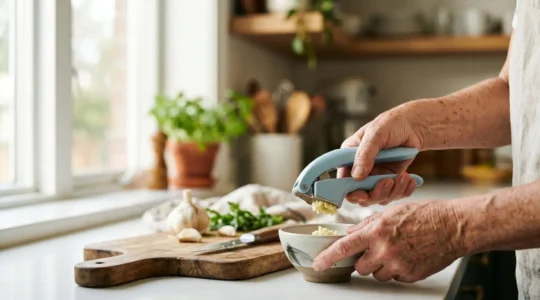
The key to cooking confidently with arthritis isn’t just buying gadgets, but understanding the biomechanical principles that make them effective. Neutral wrist and joint alignment is the foundation for pain-free chopping, lifting, and stirring. Energy conservation techniques, like using tippers…
Read more
The key to managing chronic fatigue isn’t just “resting more”—it’s learning to spend your daily energy like a savvy investor to maximize your “return on life.” The “boom-and-bust” cycle is an energy “debt” trap, where overexerting on a good day…
Read more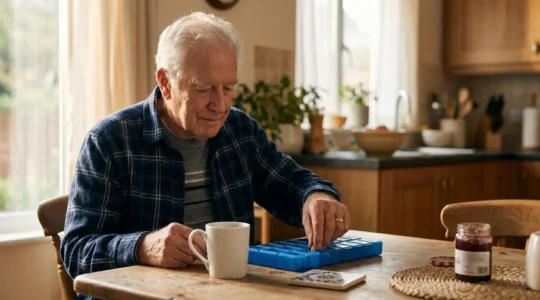
The most effective routines for memory care aren’t about rigid consistency, but about strategically offloading mental work to preserve precious cognitive energy. They leverage the brain’s resilient “procedural memory” for automatic tasks, reducing daily cognitive load. They actively prevent “learned…
Read more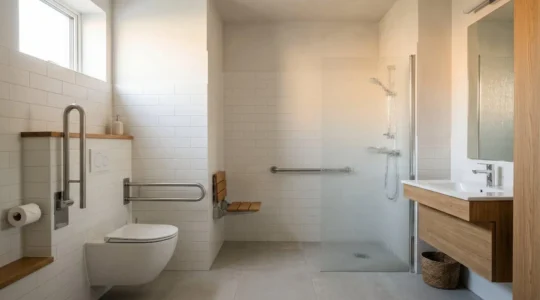
Proper grab bar installation is not about decoration; it’s a critical biomechanical intervention that maximizes physical leverage and prevents catastrophic falls. Bar placement must correspond to the body’s natural pushing and pulling motions, not just available wall space. The choice…
Read more
A thoughtfully designed home can become your most powerful, non-medical partner in dementia care, actively reducing your loved one’s anxiety and risk of injury. Focus on sensory cues (high-contrast colors, warm lighting) instead of just physical barriers to guide and…
Read more