
When independence becomes challenging, knowing where to turn for assistance can feel overwhelming. The landscape of senior support spans far beyond simply “getting help”—it encompasses financial mechanisms, physical adaptations, professional services, legal frameworks, and the complex emotional terrain of family involvement. Understanding this ecosystem empowers you to make informed decisions that preserve dignity, autonomy, and quality of life.
This resource connects the essential pillars of senior assistance: from securing funding for necessary adaptations to choosing between care models, from legal safeguards to emergency preparedness, and from professional boundaries to family communication. Whether you’re planning proactively or responding to sudden changes, grasping how these elements interconnect transforms confusion into confident action.
The goal isn’t to need every type of support described here—it’s to understand what exists, when each becomes relevant, and how to access it efficiently when the time comes.
Assistance exists on a continuum, not as a binary state. At one end sits complete independence; at the other, comprehensive residential care. Most people move gradually along this spectrum, requiring different types of support at different stages. Recognizing where someone sits on this continuum determines which services become priorities.
Early-stage needs often centre on household tasks and minor adaptations—grab rails, handyperson services, or occasional help with heavy cleaning. Mid-stage needs might introduce personal care visits, mobility equipment, and care funding assessments. Advanced needs bring considerations of live-in care, specialized equipment, or residential settings. Understanding this progression helps you plan proportionately rather than over-react to initial challenges or under-react to escalating risks.
Financial barriers shouldn’t prevent necessary adaptations or care, yet navigating the funding landscape requires persistence and documentation. Multiple funding streams exist, each with distinct eligibility criteria and application processes.
The Disabled Facilities Grant (DFG) represents the primary mechanism for funding major home adaptations—stairlifts, level-access showers, or ramps. Administered by local authorities, DFGs are means-tested but offer grants (not loans) up to substantial amounts for essential modifications. Success requires demonstrating medical need through occupational therapist assessments and providing detailed quotes from qualified contractors.
Separately, NHS Continuing Healthcare and local authority care funding assess ongoing care needs rather than one-off adaptations. These assessments examine Activities of Daily Living (ADLs)—washing, dressing, eating, mobility, toileting—to determine funding eligibility for care packages.
Assessments follow structured frameworks, but outcomes depend heavily on how comprehensively needs are communicated. Assessors typically observe functional ability during a home visit, asking questions about typical days and specific challenges. The critical issue: people often instinctively demonstrate their best possible performance during assessments, masking genuine daily struggles.
Being assessed on a “good day” when pain happens to be manageable, or when adrenaline from the assessor’s presence temporarily boosts function, can result in inappropriately low support levels. Conversely, having medical evidence (PIP or DLA award letters, consultant reports) substantiates claims and can sometimes bypass full reassessment.
Keeping a daily struggle diary for two to three weeks before assessments provides concrete evidence that counters the snapshot nature of a single visit. Document specific incidents: falls, medication errors, missed meals, hygiene lapses, or confusion episodes. Quantify frequency: “falls twice weekly” carries more weight than “sometimes unsteady.”
Photograph difficulties if appropriate—flooded bathrooms from inability to manage taps, spoiled food from forgotten appliances, or bruising from falls. Social workers and assessors respond to evidence-based narratives, not vague statements about “managing fine.”
Physical adaptations remove environmental barriers that restrict independence. The right modifications enable people to remain safely at home; poorly chosen ones waste money and space.
For wheelchair users or those with severe mobility limitations, threshold ramps and stairlifts transform inaccessible homes into functional spaces. The choice between temporary rental ramps and permanent concrete installations depends on prognosis, property ownership, and budget. Terminal illness prognoses often make rental solutions more financially and practically sensible, avoiding costly permanent modifications that won’t provide long-term value.
Choosing contractors matters enormously. Specialized accessibility contractors understand building regulations specific to disabled adaptations; general traders may create non-compliant or unsafe installations. Enhanced DBS checks, professional indemnity insurance, and verifiable references separate reputable specialists from “cowboy builders.”
The NHS wheelchair voucher scheme provides basic manual wheelchairs, but “basic” often means heavy, bulky models unsuitable for self-propelling or navigating typical UK public transport. The voucher can contribute toward upgraded models, but substantial top-up payments are usually required for lightweight, easily-foldable chairs that actually fit bus wheelchair bays or train vestibules.
The electric versus manual decision hinges on upper body strength, journey types, and storage. Electric wheelchairs offer independence for those unable to self-propel, but weight and size create transport and storage challenges that manual chairs avoid.
Short-term or uncertain needs favor rental: hospital beds during recovery periods, specialist bathing equipment, or temporary mobility aids. Purchase makes financial sense for permanent needs and items used daily. Calculate the break-even point—if monthly rental costs exceed the purchase price divided by expected usage months, buying becomes economical.
When personal care becomes necessary, choosing between service models involves balancing cost, consistency, safety, and personal preference.
Agency carers come with built-in safeguards: enhanced DBS checks, professional insurance, regulated training, and Care Quality Commission oversight. Agencies handle all employment legalities—PAYE, national insurance, holiday pay, sick cover. The trade-off is higher cost and potentially seeing multiple different carers on rotation.
Private carers hired directly cost less but transfer all employment responsibilities to you—registering as an employer, managing PAYE, arranging insurance, conducting DBS checks, and covering sickness or holidays yourself. The legal and administrative burden is substantial but rewards those comfortable with it through cost savings and the ability to build a dedicated relationship with one consistent carer.
Care visits range from brief “flying visits” (15-30 minutes) to extended calls (1-2 hours). The former enable basic tasks—medication prompts, meal preparation, essential personal care—but leave no time for conversation or unhurried assistance. Rushed care undermines dignity; being hoisted onto a toilet and immediately hoisted off feels clinical and dehumanizing.
Appropriate visit length depends on task complexity and individual pace. Someone with Parkinson’s may need 45 minutes for tasks others complete in 20. Reducing visit frequency (from four daily to two) as strength returns preserves independence without abandoning support entirely, but requires honest reassessment rather than maintaining packages out of habit or fear.
For advanced needs requiring overnight assistance, live-in care provides 24-hour presence in the person’s own home. Costs typically exceed agency visit packages but remain competitive with residential care homes, while preserving familiar surroundings and routines. Understanding “waking night” versus “sleeping night” carers matters: waking night staff remain alert throughout for active care; sleeping night staff are present for emergencies but entitled to uninterrupted rest periods under employment law.
Managing handover weeks when live-in carers rotate requires planning: overlapping shifts by a day allows smooth information transfer and maintains continuity for the person receiving care.
Care plans shouldn’t merely list physical tasks. Including “conversation for 15 minutes during lunch” as a mandatory task legitimizes social interaction as care, not optional extra. Plans should specify how tasks are performed—”observe and prompt while person makes tea” rather than “make tea for person”—embedding the reablement philosophy that preserves skills through supported practice.
How assistance is delivered matters as much as what assistance is provided. The wrong approach can accelerate decline; the right approach maintains function and dignity.
The “kindness trap” describes well-meaning helpers who do everything for someone, inadvertently destroying remaining capabilities through disuse. If you always tie someone’s shoelaces, their fine motor skills atrophy. If you always make their tea, they forget the sequence. Skills unused for months disappear, creating dependency that needn’t exist.
Supportive care means doing with, not for. Stand beside someone as they butter bread, prompt the next step if they pause, steady their hand if tremor threatens safety—but let them do the action. This takes longer and requires patience, but preserves autonomy.
Reablement specifically aims to rebuild lost skills after illness or hospitalization. Instead of permanent care packages, intensive short-term support (typically six to twelve weeks) actively teaches and practices tasks until independence returns. Occupational therapists often lead reablement, using adaptive techniques and equipment to compensate for permanent limitations while maximizing retained function.
The philosophy applies beyond formal programs: any care interaction can ask “how can I help them do this” rather than “how can I do this for them.”
Matching personality types prevents friction that undermines care relationships. Forcing a chatty carer on a naturally quiet senior creates exhausting social obligation. Equally, assigning a silent, efficient carer to someone who needs conversation creates loneliness. Care plans should specify communication preferences: “prefers minimal conversation, quiet presence” or “values chatting during tasks, dislikes being rushed.”
Not all assistance comes from formal services. Neighbors, lodgers, and handyperson schemes fill gaps, but understanding their limitations prevents dangerous assumptions.
Some seniors arrange “rent-for-help” agreements: reduced rent in exchange for specified hours of household assistance. Calculating fair value requires honest assessment—10 hours weekly of cleaning, shopping, and garden work might reasonably offset £200-300 monthly rent, depending on local markets. Crucially, such arrangements require enhanced DBS checks before moving in, protecting vulnerable homeowners from potential exploitation or abuse.
Personality compatibility matters intensely when sharing living space. Having a trial period and clear notice terms allows either party to exit if the relationship isn’t working, before resentment calcifies.
Even the kindest, most trusted neighbor with spare keys cannot legally authorize medical treatment or make care decisions. Only those with registered Lasting Power of Attorney for Health and Welfare hold that authority. Well-meaning neighbors who tell paramedics “she wouldn’t want to go to hospital” or “he doesn’t need that medication” have no legal standing, potentially causing dangerous treatment delays.
Charity-based schemes like Age UK Handyperson services provide vetted, DBS-checked workers for small jobs—changing lightbulbs, fitting grab rails, assembling furniture, minor repairs—at subsidized rates. They explicitly won’t undertake major work (rewiring, structural alterations), and this limitation is protective: it ensures jobs stay within the worker’s competency and insurance coverage, reducing cowboy builder risks.
For larger jobs, using vetted platforms (Checkatrade, TrustATrader) and always obtaining three comparable quotes protects against both overcharging and underqualified tradespeople.
Preventive safety measures and emergency protocols provide reassurance and potentially life-saving rapid response.
Personal alarm pendants connect wearers to 24-hour monitoring centers that can summon help. The “monthly fee versus upfront cost” debate centers on whether to pay ongoing subscriptions (£15-30 monthly) for monitored service, or buy unmonitored devices outright that alert designated contacts. Monitored services guarantee professional response even if family are unavailable; unmonitored devices depend entirely on designated contacts answering.
Modern “designer” options—smart brooches, watches, discreet jewelry—address the stigma some feel about traditional alarm pendants. Selling these to reluctant parents often requires reframing: “it’s for my peace of mind” rather than “you need this for safety.” Periodically pressing the button just to test response confirms the system works and familiarizes users with the process, reducing panic during real emergencies.
Most UK fire services offer free “Safe and Well” home visits, assessing fire risks, fitting smoke alarms, creating escape plans, and checking for hazards (overloaded sockets, blocked exits, unsafe heating). These visits also identify broader vulnerability issues, often referring to social services or other support. There’s no age threshold—anyone can request one—but they specifically benefit those with reduced mobility, sensory impairments, or cognitive decline.
The Lions Message in a Bottle scheme uses a simple plastic bottle (stored in the fridge, where paramedics know to look) containing emergency information: medications, allergies, conditions, emergency contacts, GP details. This free, low-tech system has saved countless lives by providing paramedics with critical information when patients can’t communicate.
Similarly, DNACPR (Do Not Attempt Cardiopulmonary Resuscitation) forms must be stored visibly—on the fridge, not in drawers—so paramedics see them immediately. Equally vital: packing a “Hospital Go-Bag” with essentials (medications list, toiletries, phone charger, spare clothes, glasses, hearing aids) prevents arriving at A&E in pyjamas with nothing, facing potential multi-day admissions utterly unprepared.
Advance planning creates frameworks that protect autonomy when capacity diminishes. Delaying these conversations until crisis strikes often means it’s already too late.
Lasting Power of Attorney (LPA) must be signed while the person still has mental capacity to understand what they’re authorizing. Once dementia progresses, the window closes permanently, leaving families facing expensive, distressing Court of Protection deputyship applications instead. Two types exist: Property and Financial Affairs (managing money, property, bills) and Health and Welfare (medical decisions, care choices, life-sustaining treatment). You need both—the “money one” alone leaves no one authorized to make healthcare decisions.
Registration takes weeks, so starting the process at early diagnosis (or ideally, proactively before any concerns) ensures documents are ready when needed.
An Advance Decision (Living Will) specifies which medical treatments someone would refuse in specific future circumstances when unable to communicate—for example, refusing ventilation or artificial feeding in advanced dementia. For doctors to respect these, they must be specific, unambiguous, signed, witnessed, and regularly reviewed. Vague statements like “I don’t want to be kept alive artificially” lack the precision needed; medical scenarios and refused treatments must be explicit.
DNACPR forms specifically address resuscitation attempts. Unlike Advance Decisions (made independently), DNACPR requires clinical agreement that CPR wouldn’t be beneficial or is against the person’s wishes.
PIP (Personal Independence Payment) and DLA (Disability Living Allowance) award letters serve as pre-validated medical evidence for other assessments. These benefits require rigorous proof of care needs; receiving them demonstrates a level of assessment already completed. Having these letters available during care funding assessments or DFG applications can streamline processes and strengthen applications.
Family involvement in senior care brings both essential support and potential conflict. Navigating this requires honest communication and realistic expectations.
The “local sibling versus distant sibling” burden imbalance is near-universal: the sibling living nearby inevitably shoulders daily responsibilities while distant siblings contribute less practically, often creating resentment. Fair burden-sharing recognizes different contribution types: if one sibling provides hands-on care, distant siblings might contribute financially, research care options, manage administrative tasks, or provide respite during visits.
Explicit conversations establishing expectations prevent festering resentment: “I’ll handle weekly shopping and check-in visits; can you manage the finances and research care homes if needed?”
Mentioning “nursing home” triggers panic in many seniors, who hear “abandonment” regardless of intention. Framing conversations around safety, quality of life, and maintaining connection rather than incapacity preserves dignity. “We want you to be safe and have people around” lands differently than “you can’t cope alone anymore.”
Introducing care gradually—”let’s try someone helping with cleaning for a month”—feels less threatening than sudden comprehensive packages. Early involvement in decision-making preserves autonomy; fait accompli presentations breed resistance.
The promise “I will never put you in a home” is often unkeepable. Advanced dementia, complex medical needs, or aggressive behavior can create situations beyond family capability, where residential care becomes the safest, kindest option. Making such promises creates impossible moral burdens and delays necessary transitions.
More honest framing: “I’ll do everything I can to help you stay home as long as it’s safe and sustainable.” This preserves commitment without boxing yourself into potentially dangerous situations you can’t fulfill.
Navigating senior assistance and support ultimately means balancing independence with safety, dignity with practicality, and family involvement with professional expertise. No single approach fits everyone; the right combination emerges from understanding available options, assessing individual needs honestly, and remaining flexible as circumstances evolve. The information ecosystem exists to support informed decisions—accessing it confidently transforms the challenge from overwhelming to manageable.
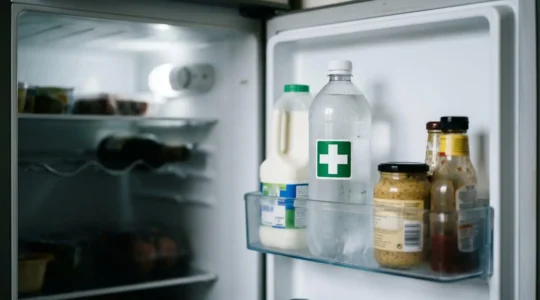
Contrary to popular belief, the ‘Message in a Bottle’ is not just a handy place for your medical notes; it’s the single source of truth that dictates the decisions paramedics make in the first five minutes of an emergency. Your…
Read more
The fear of being exploited by a rogue trader for a simple job is valid, but the solution isn’t just checking reviews; it’s understanding the ‘operational safety net’ behind the person you hire. Charity-led services (like Age UK) often provide…
Read more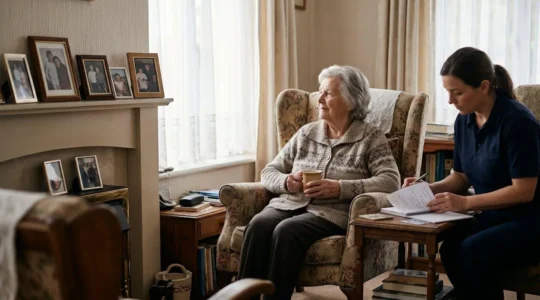
Live-in care appears cheaper on paper, but success hinges on your family’s ability to manage your home as a professional care setting. Significant cost savings are primarily for couples and are easily eroded by hidden expenses like food, utilities, and…
Read more
Reablement is the proven strategy to transform your recovery into a project of empowerment, not passive survival, by focusing on what you *can* do. True recovery means actively participating in tasks, even if it’s a struggle, because effort builds strength…
Read more
The choice between a care agency and a private carer goes far beyond cost; it’s about understanding and mitigating the hidden liabilities that can impact your family’s finances and your loved one’s well-being. Hiring privately makes you an employer, with…
Read more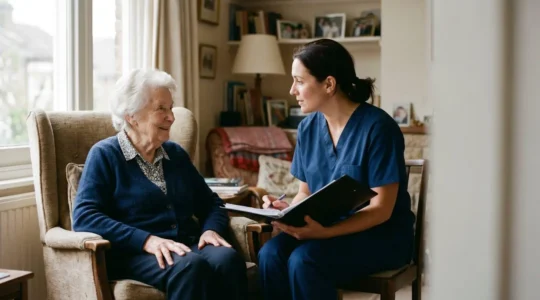
Securing NHS care funding is not about describing struggles; it’s about providing structured, undeniable evidence that maps directly onto the assessor’s own eligibility criteria. Instrumental Activities (IADLs) like managing money are as critical as basic Activities of Daily Living (ADLs)…
Read more
Outsourcing household tasks isn’t a luxury; it’s a financially sound strategy to prevent far costlier events like falls or a premature move into care. Minor tasks with high injury risk (e.g., gutter cleaning) have a huge negative return on investment…
Read more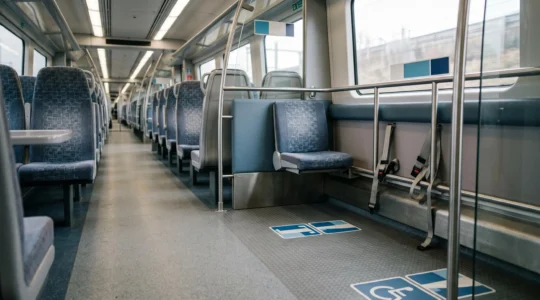
Choosing the right wheelchair for UK public transport is less about its features and more about how its ‘logistical footprint’ matches your specific daily journey. Manual vs. Electric is the wrong question; the right one is ‘what is the single…
Read more