
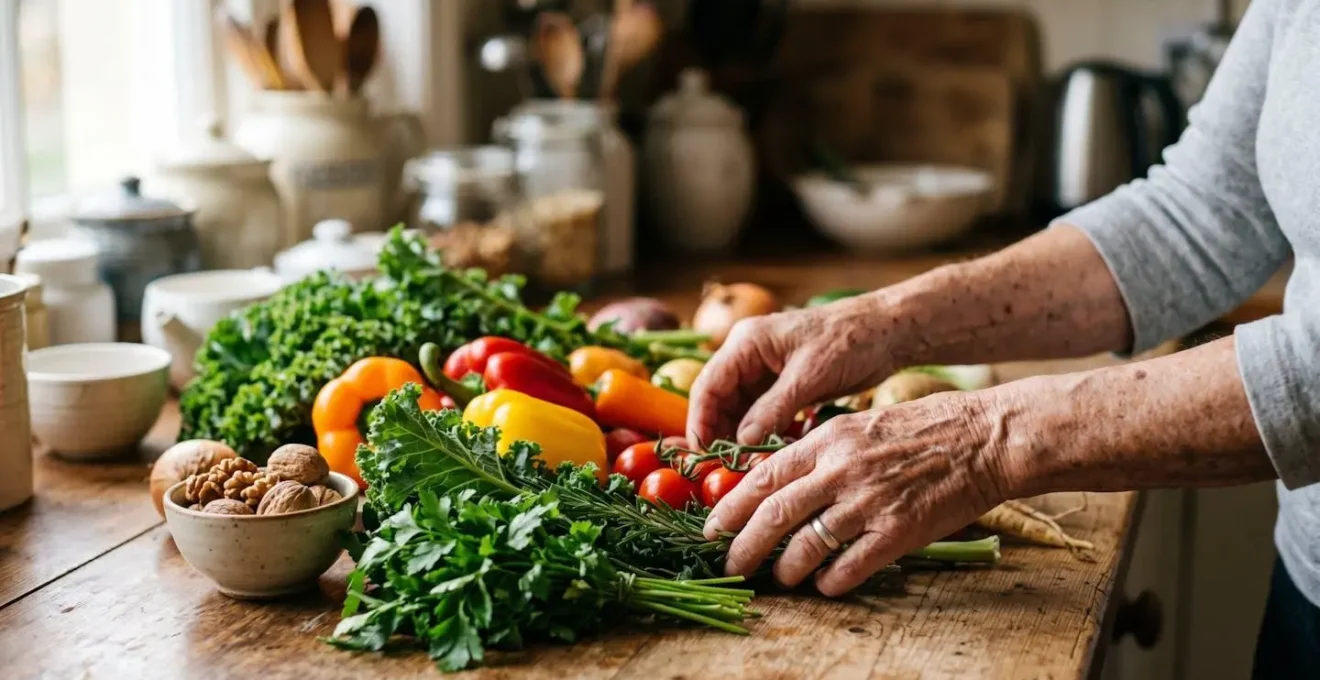
Rethinking immunity after 65 means going beyond the flu jab and addressing the root causes of age-related immune decline, known as immunosenescence.
- The real battlefield for your immunity is your gut, where 70% of your immune system resides and is directly influenced by your microbiota.
- Chronic stress and fragmented sleep are not just signs of aging; they are active saboteurs, releasing hormones like cortisol that directly suppress your immune cells.
Recommendation: Focus on targeted lifestyle shifts—like optimising gut health and sleep architecture—to actively reverse specific age-related weaknesses and build a more resilient internal defense system.
As we age, the annual flu jab becomes a critical part of our health routine, and rightly so. It’s a vital tool in our defense against seasonal viruses. However, relying solely on vaccinations is like only locking the front door of a fortress while leaving the side gates and watchtowers unmanned. True immune resilience after 65 requires a more profound, holistic strategy that addresses the natural, age-related decline of our immune system—a process immunologists call immunosenescence. This isn’t about finding a single magic bullet, but about systematically reinforcing the body’s core defense systems.
The common advice to “eat well” and “get some exercise” is not wrong, but it’s dangerously incomplete. It fails to address the specific physiological shifts happening inside an aging body. The key is not just to do “healthy things,” but to do the right things that specifically counteract the mechanisms of immunosenescence. This involves understanding how factors like digestive health, sleep quality, micronutrient sources, and even our thought patterns directly impact our cellular defenses. This guide moves beyond the platitudes to provide a science-backed, actionable framework for rebuilding your body’s natural fortress from the inside out, turning what was once a passive decline into an active process of reinforcement.
To help you navigate this essential journey, this article breaks down the core pillars of natural immune defense for seniors. We will explore the science behind each pillar and provide concrete strategies to implement in your daily life, empowering you to build a truly robust immune system.
Summary: A Science-Backed Guide to Natural Immunity After 65
- Why 70% of your immune system depends on your digestion (and yoghurt)?
- How to fix fragmented sleep to restore your immune killer cells?
- Brazil nuts vs Supplements: best source for viral protection?
- The mistake of chronic worrying which suppresses your immune response
- When to go outside to get fresh air without chilling your chest?
- Why men over 65 must attend their Abdominal Aortic Aneurysm scan?
- The afternoon nap mistake that destroys your sleep pressure for the night
- Which free NHS screenings do seniors often miss but shouldn’t?
Why 70% of your immune system depends on your digestion (and yoghurt)?
The idea that gut health is central to overall well-being is not new, but its profound control over the immune system is a critical insight, especially for seniors. Approximately 70% of your entire immune system is located in your gut, housed in a specialised tissue called Gut-Associated Lymphoid Tissue (GALT). This places your immune cells in direct contact with your gut microbiota—the trillions of bacteria, viruses, and fungi residing in your digestive tract. This close relationship means your gut microbiome essentially trains and directs your immune responses. As we age, the balance of this microbiome can shift, leading to a state of chronic, low-grade inflammation known as “inflammaging”.
Aging amplifies a gut microbiota immunogenic signature linked to heightened inflammation.
– Caetano-Silva et al., Aging Cell, 2024
This age-related shift can increase intestinal permeability, a condition often called “leaky gut.” When the gut barrier is compromised, bacterial components can leak into the bloodstream, triggering a constant, low-level immune alert that exhausts resources and promotes systemic inflammation. Recent research demonstrates that the gut microbiota significantly impacts elderly health by contributing to immune system development and intestinal barrier integrity. Therefore, actively managing your gut health is a primary strategy for immune defense.
Case Study: Proof of Inflammaging Driven by Aged Gut Microbiota
A landmark 2024 study provided powerful evidence for this mechanism. Scientists transplanted gut microbiota from aged mice into young, germ-free mice. The results were clear: the aged microbiota acted as an active driver of low-grade inflammation in the young hosts. The recipient mice showed marked increases in inflammatory markers, confirming that an aged gut microbiome is not just a symptom of aging but a direct cause of the ‘leaky gut’ phenomenon and a primary driver of age-related immune dysfunction.
Foods rich in probiotics, like live-culture yoghurt, kefir, and fermented vegetables, help replenish beneficial bacteria, while prebiotic foods like onions, garlic, and bananas provide the fibre that feeds them. This isn’t just about digestion; it’s about actively managing the environment where a majority of your immune cells live and work. A healthy gut is a cornerstone of a resilient immune system.
How to fix fragmented sleep to restore your immune killer cells?
Sleep is not merely a period of rest; it is a critical phase of active immune maintenance and repair. During deep sleep, specifically slow-wave sleep, your body performs essential housekeeping for the immune system. This includes the production and release of cytokines, proteins that help coordinate the immune response, and the proliferation of key immune cells like T-cells and Natural Killer (NK) cells. NK cells are your body’s elite viral surveillance team, responsible for identifying and destroying infected or cancerous cells. Fragmented or insufficient sleep directly sabotages this process.
For seniors, achieving consolidated, deep sleep can be challenging due to changes in sleep architecture. However, the consequence of not doing so is significant. As a 2020 study in Frontiers in Neurology found, sleep deprivation in elderly populations is associated with chronic inflammation, greater susceptibility to infection, and even poorer clinical protection after receiving vaccines. In essence, a lack of quality sleep leaves your immune army unprepared and disorganised.
Conditions featured by disturbed sleep with specific deficit in slow wave sleep, as observed in elderly people, show a cytokine shift towards Th2.
– Communications Biology research team, Communications Biology, 2021
This “cytokine shift” is a technical way of saying that the immune system moves towards a more inflammatory and allergic-response state, rather than an effective antiviral state. To fix fragmented sleep, focus on improving sleep hygiene: maintain a consistent sleep-wake schedule, even on weekends; ensure your bedroom is dark, cool, and quiet; and avoid stimulants like caffeine and screens before bed. Creating a strong signal for your body that nighttime is for deep, restorative sleep is a non-negotiable part of immune defense.
Brazil nuts vs Supplements: best source for viral protection?
In the quest to bolster our immune system, the supplement aisle can be both tempting and overwhelming. One crucial nutrient for viral defense is selenium, a trace mineral that acts as a powerful antioxidant and is a key component of enzymes involved in immune function, like glutathione peroxidase. While selenium supplements are widely available, compelling evidence suggests that obtaining it from a whole-food source may be equally, if not more, effective. Enter the Brazil nut, a nutritional powerhouse.
From a clinical standpoint, the debate between food and supplements is often a question of bioavailability and efficacy. For selenium, the science is surprisingly clear. A landmark clinical trial demonstrated that consumption of 2 Brazil nuts daily is as effective for increasing selenium status as taking a 100 μg supplement. This is because the nut provides selenium in a natural, organic form, packaged with other beneficial compounds like healthy fats and vitamin E that can aid its absorption and use by the body.
Just one to two Brazil nuts per day can easily meet the recommended daily intake of selenium. This makes it an incredibly efficient and cost-effective strategy. However, it’s crucial to practice moderation. Due to their high selenium content, consuming too many Brazil nuts regularly can lead to selenium toxicity. The key is consistency over quantity. Incorporating a couple of Brazil nuts into your daily routine—crushed over yoghurt, added to a salad, or eaten as a simple snack—is a simple, natural, and scientifically validated way to ensure your body has the selenium it needs to support a robust defense against viral threats. Choosing food first provides a complex synergy of nutrients that a single-ingredient supplement often cannot replicate.
The mistake of chronic worrying which suppresses your immune response
The connection between the mind and the body is not a new-age concept; it is a hardwired physiological reality. Chronic stress, anxiety, and worrying are not just unpleasant emotional states; they are powerful biological signals that actively suppress your immune system. When you are under constant stress, your body enters a prolonged “fight or flight” mode, orchestrated by the hypothalamic-pituitary-adrenal (HPA) axis. This results in the continuous release of the stress hormone cortisol. While cortisol is useful in short bursts to manage acute threats, its chronic elevation is devastating for immune function.
Scientifically, research reveals that elevated circulating cortisol levels exert potent immunosuppressive effects. It reduces the production of vital immune messengers called cytokines, impairs the function of T-cells, and can even cause the premature death of immune cells. It essentially tells your immune army to stand down at the very moment you might need it most. This is why periods of high stress are often followed by illness—your defenses were chemically suppressed.
Case Study: The Immune Cost of Caregiving
A study on elderly caregivers of patients with chronic illnesses provided a powerful real-world example of this mechanism. The prolonged emotional and physical stress of caregiving led to a continuous activation of their HPA axis and sustained high cortisol levels. As a direct result, their immune cell function was weakened, and these caregivers reported a significantly higher susceptibility to common infections like influenza and the common cold. Their chronic worry was translating directly into measurable immunosuppression.
Managing chronic worry is therefore a critical immune-boosting strategy. This doesn’t mean eliminating all stress, which is impossible, but rather developing practices to manage your response to it. Techniques like mindfulness meditation, deep breathing exercises, spending time in nature, and maintaining strong social connections have all been shown to help regulate the HPA axis and lower cortisol levels. Protecting your peace of mind is, in a very real sense, a way of protecting your body from illness.
When to go outside to get fresh air without chilling your chest?
Getting fresh air and sunlight is beneficial for both mental well-being and Vitamin D synthesis, a nutrient vital for immune function. However, for seniors, exposure to cold air can pose a genuine risk. Cold, dry air can impair the function of cilia, the tiny hair-like structures in our nasal passages that help clear out pathogens. This can make the respiratory tract more vulnerable to infection. The goal, therefore, is to get the benefits of the outdoors while mitigating the risks. The key lies in strategic timing and proper protection.
The common fear of “catching a chill” is not entirely unfounded from a mechanistic perspective. While viruses, not cold air, cause illness, the cold can create conditions that make it easier for viruses to take hold. A sudden drop in core body temperature can place stress on the system, and as discussed, cold air can compromise the first line of defense in your airways. Therefore, the advice is not to avoid the outdoors in winter, but to approach it intelligently.
This means dressing in layers to trap heat, timing your outings for the warmest part of the day, and actively protecting your airways. A simple scarf worn over the mouth and nose does more than just feel warm; it creates a pocket of air that is warmed and humidified before you inhale it, helping to preserve the function of your nasal cilia. Balancing the need for fresh air with the physiological realities of aging in a cold environment is a practical skill for year-round immune resilience.
Your Action Plan: Senior-Specific Cold Air Protection
- Layer clothing appropriately: Seniors have a reduced ability to sense cold, so use the ‘three-layer rule’ – a base wicking layer, an insulating middle layer, and a windproof outer layer.
- Protect airways: Wear a scarf or face covering over your mouth and nose to warm and humidify inhaled air, reducing cilia impairment in nasal passages.
- Time outdoor exposure strategically: Aim for midday hours (typically 10 am to 2 pm) when temperatures are at their daily peak and UV exposure can support vitamin D synthesis.
- Practice ‘purge ventilation’ indoors: To reduce indoor pathogen concentration, open windows wide for just 5-10 minutes a day, even in winter, for a rapid air exchange without prolonged cold exposure.
Why men over 65 must attend their Abdominal Aortic Aneurysm scan?
While our focus is often on defending against external threats like viruses, it’s equally crucial to monitor for silent, internal risks that increase with age. An Abdominal Aortic Aneurysm (AAA) is a bulge or swelling in the aorta, the main blood vessel that runs from the heart down through the chest and abdomen. If it gets too large, it can burst, which is often fatal. This condition is most common in men aged 65 and over, which is why a one-time screening is offered. But what does this have to do with immunity?
The connection is twofold. Firstly, it’s about a holistic approach to health. We tend to focus on immediate, symptomatic threats like the flu, and the statistics show why. Between 70-90% of seasonal flu-related deaths occur in adults aged 65 and older, making it a clear and present danger. This rightly commands our attention. However, this intense focus can lead us to neglect other, equally serious age-related risks like AAA, which are silent and show no symptoms until it’s too late. Attending a screening is a simple, preventative act that addresses a major vulnerability specific to this age group.
The same lifestyle changes that support immunity (e.g., improved diet, stopping smoking) also directly reduce the risk of AAA, creating a virtuous cycle.
– A Place for Mom health advisory, Senior Immune System Boosters Guide
Secondly, and more directly, the risk factors for AAA and for poor immune function overlap significantly. These include smoking, high blood pressure, and chronic inflammation. The lifestyle choices we make to boost our immunity—such as eating an anti-inflammatory diet, maintaining a healthy weight, and managing blood pressure—also directly reduce the risk of an aneurysm developing or growing. Therefore, viewing the AAA scan not as a separate, isolated test but as part of a comprehensive strategy for healthy aging is essential. It’s about protecting the entire fortress, both from external invaders and internal weaknesses.
The afternoon nap mistake that destroys your sleep pressure for the night
The siren call of an afternoon nap can be powerful, especially when post-lunch fatigue sets in. While a short nap can be restorative, the wrong kind of nap can be a wrecking ball for your nighttime sleep, which, as we’ve established, is paramount for immune function. The key to understanding this lies in a concept called “sleep pressure.” Throughout the day, a chemical called adenosine slowly builds up in your brain. This accumulation creates the feeling of sleepiness, or sleep pressure. A long and deep sleep at night is what effectively clears this adenosine, leaving you feeling refreshed in the morning.
Sleep is probably the most critical aspect of immunity, more so than diet or exercise.
– Dr. Jessica Lancaster, immunology researcher, Mayo Clinic Press, 2024
The critical mistake is taking a nap that is too long or too late in the day. A long nap (over 20-30 minutes) allows you to enter deep sleep stages and prematurely clears away a significant amount of adenosine. While this might make you feel alert immediately after, you have effectively “spent” the sleep pressure you needed to fall asleep easily and stay asleep throughout the night. This can lead to difficulty initiating sleep, or waking up in the middle of the night—perpetuating the cycle of fragmented sleep that harms your immune system.
The solution is not to fight fatigue but to manage it intelligently. If you need to nap, follow the rules for a “power nap.” Alternatively, consider other ways to combat the afternoon slump that don’t interfere with your sleep pressure.
- Limit nap duration: Keep naps to a maximum of 20 minutes to avoid entering deep sleep stages, which cause sleep inertia and reduce nighttime sleep pressure.
- Timing is key: Naps should be completed before 2 p.m. to preserve the adenosine buildup required for a full night’s sleep.
- Hydration reset: Instead of napping, try drinking a large glass of cold water. Dehydration is a common cause of fatigue.
- Sensory reset: Step outside for 5 minutes of fresh air and bright light. This can boost alertness without disrupting your internal sleep clock.
- Postural reset: Perform 5-10 minutes of gentle stretching to increase blood flow and combat feelings of lethargy.
By being strategic about how you manage afternoon fatigue, you protect the precious architecture of your nightly sleep, and in turn, the strength of your immune system.
Key Takeaways
- Your gut is not just for digestion; it’s the headquarters for 70% of your immune system, making its health a top priority.
- Quality sleep is non-negotiable; it’s when your body manufactures and deploys its most potent virus-fighting cells, like NK cells.
- Natural, whole-food sources of key nutrients (like selenium from Brazil nuts) can be as, or more, effective than supplements, but must be integrated into a balanced lifestyle that also includes proactive medical screenings.
Which free NHS screenings do seniors often miss but shouldn’t?
Integrating natural health strategies with proactive medical prevention creates the most robust defense system possible. While we’ve focused on building immunity through lifestyle, it’s critical to use the “safety net” of modern medicine to catch problems early. In the UK, the NHS provides several free screening programmes for seniors that are specifically designed to detect serious conditions before they cause symptoms. Unfortunately, many of these are underutilised, yet they are directly or indirectly linked to our overall immune resilience and ability to withstand health challenges.
For example, social isolation, which can result from untreated hearing loss, acts as a chronic stressor, elevating cortisol and suppressing immune function. Similarly, a fall resulting from poor vision or a fracture from osteoporosis places immense stress on the body, diverting critical immune resources towards healing. An annual medication review is also crucial, as polypharmacy (taking multiple drugs) is common in seniors, and some medications can have immunosuppressive side effects. These screenings are not just about finding disease; they are about maintaining independence, function, and physiological balance, all of which are foundational to a strong immune system.
The following table outlines some of the most important but often-missed screenings. Viewing them as an integral part of your immune-boosting strategy is a powerful shift in perspective. They are your early-warning system, allowing your natural defenses to focus on everyday threats rather than being overwhelmed by a sudden, major health crisis.
| Screening Type | Age/Frequency | Health Impact | Connection to Immunity |
|---|---|---|---|
| Abdominal Aortic Aneurysm (AAA) | Men 65+ (one-time) | Prevents life-threatening rupture | Risk factors (smoking, hypertension) overlap with immune dysfunction |
| Hearing Assessment | 65+ (every 2-3 years) | Prevents cognitive decline and social isolation | Social isolation acts as chronic stressor, elevating cortisol |
| Vision Screening (Glaucoma/AMD) | 60+ (annually) | Maintains independence and prevents falls | Fall prevention reduces injury-related immune stress |
| Bone Density Scan (DEXA) | Women 65+, Men 70+ | Prevents osteoporotic fractures | Fracture recovery demands significant immune resources |
| Annual Medication Review | 65+ with 4+ medications | Identifies polypharmacy side effects | Some medications directly suppress immune function |
Screenings are your safety net, but the daily lifestyle choices we’ve discussed are how you learn to fly.
– WebMD Senior Health Contributors, The Immunity Challenge: Aging and Immune System
Ultimately, building a resilient immune system after 65 is an active, empowering process. By combining the powerful, natural strategies of gut health optimization, restorative sleep, mindful nutrition, and stress management with the crucial safety net of preventative medical screenings, you create a comprehensive defense system. Take the next step by discussing these strategies and your screening schedule with your healthcare provider to create a personalised plan for healthy, vibrant aging.