

Cultivating sustainable autonomy and home well-being
The desire to age in place drives the need for home adaptation. Harmonizing secure environments with social connections allows seniors to preserve dignity while navigating reduced mobility and evolving lifestyle requirements.
Adapting living spaces for accessibility and ease
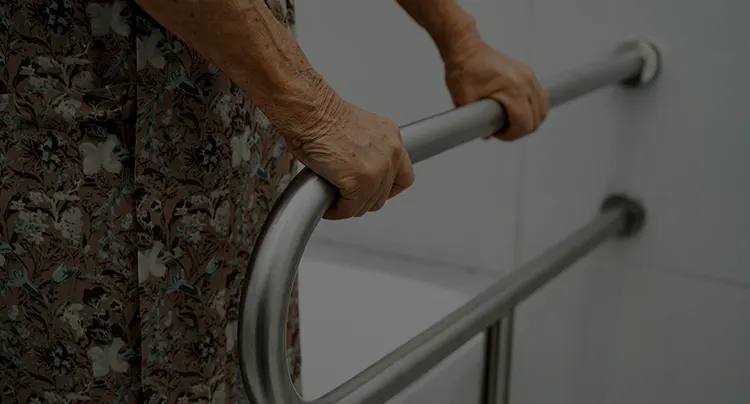
Structural safety adjustments
Installing anti-slip flooring and grab bars prevents falls, ensuring secure mobility through hallways and sanitary areas.
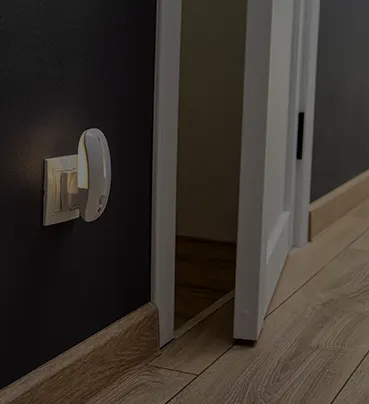
Enhanced lighting solutions
Automatic motion-sensor lighting illuminates corridors, reducing nocturnal disorientation and guiding steps for visual comfort.
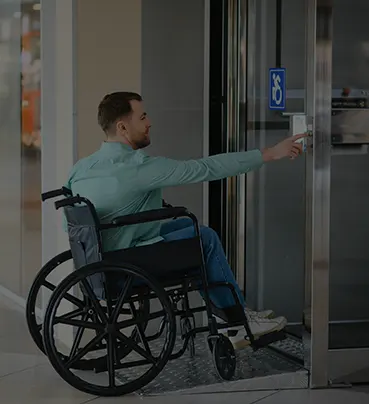
Accessible entry design
PMR access ramps replace stairs, allowing effortless entry for wheelchairs while maintaining property aesthetics.


Optimizing nutrition and cognitive vitality
Nutritional planning rich in antioxidants supports cognitive function, while hydration prevents fatigue. Seasonal diets ensure the body receives necessary vitamins, sustaining energy levels and immune defense mechanisms effectively for preventive health.
Adapted physical activity, such as chair yoga, maintains joint flexibility and cardiovascular health. Regular exercise releases endorphins preventing sedentary habits, promoting sleep hygiene and mental balance essential for overall well-being.
Strengthening bridges in social community life
Social isolation fades when individuals engage with community centers or recreational clubs. Shared interests create social bonds, turning neighbors into a support network offering emotional stability and stimulating interaction, preventing loneliness. Intergenerational programs reinforce social utility within the local fabric.
Digital inclusion complements physical meetings, allowing families to stay close. Video conferencing bridges gaps, ensuring seniors remain integral to family life, sharing stories and milestones despite geographical separation.

Smart home integration
Voice-activated automation adjusts thermostats or plays music, reducing physical exertion while keeping the cognitive faculties engaged.
Wearable medical alerts
Connected watches track vitals and ensure fall detection, sending alerts to emergency services. These discreet safety devices provide peace of mind, allowing seniors to venture outdoors or live alone with remote monitoring.
Professional assistance and home care
Accepting home help marks a step towards sustained autonomy. Tailored care plans adapt to dependency levels, filling gaps in physical capability while respecting lifestyle choices. Whether for logistics or hygiene, professional assistance redirects energy towards social activities.

In-home care services
Certified caregivers assist with personal hygiene, dressing, or medication adherence efficiently during home visits.

Mobility assistance services
Accompanied transport ensures safe travel to medical appointments or errands without driving constraints.

Home maintenance help
Home maintenance handles heavy repairs and garden upkeep, preventing physical risks associated with ladder work.